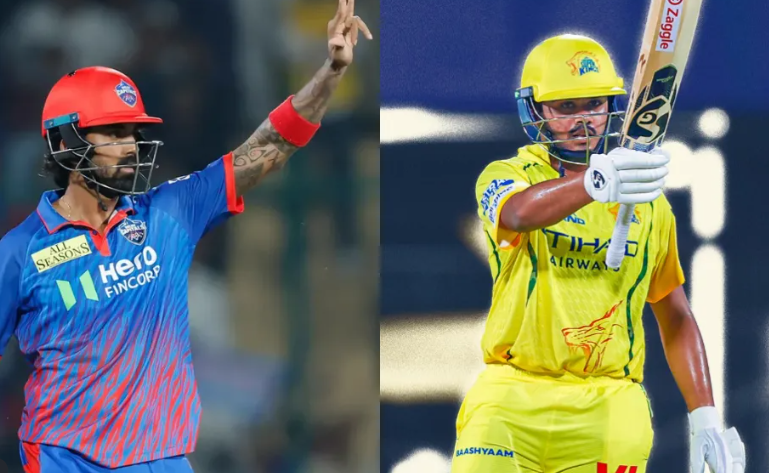
The Delhi Capitals Vs Chennai Super Kings stats rivalry represents one of the most fascinating matchups in IPL history, shaped by dominance, rebuilding phases, and tactical evolution. From CSK’s early superiority under MS Dhoni to Delhi’s gradual rise with a younger, aggressive core, this rivalry has produced dramatic scorecards, last over finishes, and shifting momentum across seasons. Chennai’s experience and spin mastery often clashed with Delhi’s pace attack and power hitting approach. Over time, the contest evolved into a balanced battle where small tactical decisions and pressure moments defined outcomes, making every encounter a crucial chapter in IPL’s competitive narrative.
Latest Matches: Delhi Capitals Vs Chennai Super Kings
Delhi’s Identity Crisis Phase: Repeated Setbacks Against CSK
During the early IPL seasons, Delhi struggled to establish a consistent identity against Chennai Super Kings, who dominated with experience and tactical discipline. Most matches reflected Delhi’s fragile batting order collapsing under CSK’s disciplined bowling attack led by spin control and smart death over execution. Players like MS Dhoni and Suresh Raina consistently outperformed Delhi’s inexperienced core in pressure situations. Scorecards often showed Delhi failing to cross competitive totals while CSK chased targets with controlled ease. This phase defined Delhi’s struggle for consistency, revealing gaps in middle order stability, death bowling execution, and match awareness against a seasoned Chennai unit. CSK maintained dominance through experience and composure in key moments across multiple seasons while Delhi rebuilt squad repeatedly without stability
Season
Match
Score
Winner
Key Performance
2008
DC vs CSK
CSK 188/4 vs DC 140/8
CSK
Raina quickfire fifty, Delhi collapse under spin
2012
CSK vs DC
CSK 190/5 vs DC 144/9
CSK
Dhoni finishing, Ashwin control in middle overs
2019
DC vs CSK
DC 175/3 vs CSK 171/5
DC
Pant explosive 90+, Rabada death bowling impact
2021
CSK vs DC
CSK 188/7 vs DC 171/6
CSK
Jadeja all-round show, last over control by CSK
MS Dhoni Era Control: Tactical Supremacy Over Delhi
MS Dhoni’s leadership defined Chennai Super Kings’ dominance over Delhi during the franchise’s most tactically superior phase. His calm decision-making under pressure repeatedly neutralized Delhi’s batting firepower, especially in tight chases and middle over battles. CSK’s spin-heavy strategy, led by Ravichandran Ashwin and supported by disciplined field placements, consistently restricted Delhi from building momentum. Even when Delhi Capitals began improving their squad, Dhoni’s game awareness in death overs often tilted matches in Chennai’s favor. Whether setting fields or rotating bowlers, his control over match tempo was unmatched. Delhi’s aggressive batters like Rishabh Pant and Shikhar Dhawan often found themselves slowed down at critical stages. This era became a textbook example of tactical captaincy overcoming raw talent and highlighted CSK’s psychological edge in high pressure IPL encounters.
Season
Match
Score
Winner
Key Performance
2010
CSK vs DC
CSK 180/5 vs DC 136/9
CSK
Dhoni 45* finish, Ashwin economical spell
2013
DC vs CSK
CSK 169/4 vs DC 144/8
CSK
Bravo death overs control, Dhoni tactical fielding
2018
CSK vs DC
CSK 211/4 vs DC 198/5
CSK
Raina explosive 70+, Dhoni chase management
2020
DC vs CSK
DC 175/3 vs CSK 180/5
CSK
Dhoni calm finish, Jadeja all-round impact
Turning Point Matches: Delhi Finally Breaking CSK Dominance
For years Delhi Capitals struggled to overcome Chennai Super Kings, but a few turning point matches shifted the narrative and gave Delhi belief in the rivalry. These games came when Delhi’s young core matured into match winners, especially under pressure situations. The emergence of Kagiso Rabada and Anrich Nortje transformed Delhi’s bowling attack into a genuine threat against CSK’s experienced batting lineup. Shikhar Dhawan’s calm top order batting also played a crucial role in stabilizing chases. Unlike earlier seasons, Delhi began holding their nerve in tight finishes and executing plans effectively in the death overs. These victories were not just wins on the scorecard but psychological breakthroughs that proved Delhi could challenge CSK’s dominance and win in clutch IPL moments against a historically superior opponent.
Even when Delhi Capitals began improving their squad and challenging stronger teams, Chennai Super Kings consistently relied on MS Dhoni’s finishing ability to reclaim control in tight encounters. His unmatched calmness under pressure turned difficult chases into routine victories. Whether the required rate climbed sharply or wickets fell early, Dhoni’s presence at the crease shifted momentum instantly. Delhi’s bowlers, despite improvements in pace attack and spin variety, often struggled to contain his calculated hitting in the final overs. Ravindra Jadeja’s support role also strengthened CSK’s lower order resilience. These matches highlighted how experience can outweigh momentum, especially in IPL pressure games. For Delhi fans, these finishes became painful reminders that CSK’s game awareness in crunch moments still remained superior and clinically executed.
Season
Match
Score
Winner
Key Performance
2018
CSK vs DC
CSK 180/4 vs DC 176/5
CSK
Dhoni 70+ finishing knock
2019
DC vs CSK
DC 185/6 vs CSK 190/4
CSK
Dhoni calm chase control
2020
CSK vs DC
CSK 179/5 vs DC 175/3
CSK
Jadeja support, Dhoni finish
2021
DC vs CSK
DC 172/4 vs CSK 173/5
CSK
Dhoni last over six finish
Venue Impact: Chepauk Fortress vs Delhi Home Advantage
The rivalry between Delhi Capitals and Chennai Super Kings has often been shaped heavily by venue conditions, with MA Chidambaram Stadium in Chennai acting like a fortress for CSK. The slow, turning pitch perfectly suits their spin-heavy strategy, allowing bowlers like Ravichandran Ashwin and Ravindra Jadeja to dominate middle overs. MS Dhoni’s tactical mastery at Chepauk further strengthens their home advantage, where CSK rarely loses control of matches. In contrast, Delhi has found more success at Arun Jaitley Stadium, where flatter pitches support aggressive batting from players like Rishabh Pant and David Warner. However, even at home, Delhi has struggled to consistently overpower CSK’s experience. Overall, venue conditions have played a decisive role in shaping scorecards, momentum shifts, and psychological pressure across this IPL rivalry.
Season
Venue
Score
Winner
Key Performance
2012
Chennai
CSK 190/5 vs DC 144/9
CSK
Ashwin spin dominance
2019
Delhi
DC 175/3 vs CSK 171/5
DC
Rabada death overs control
2020
Chennai
CSK 180/4 vs DC 176/6
CSK
Dhoni finishing impact
2021
Delhi
DC 154/6 vs CSK 160/5
CSK
Jadeja all-round control
Modern IPL Era: Balanced Rivalry and Tactical Evolution
Modern IPL era has transformed the Delhi Capitals versus Chennai Super Kings rivalry into a far more balanced contest defined by tactical evolution and squad depth. Delhi Capitals have built a stronger identity with aggressive top order batting from David Warner and Rishabh Pant supported by Axar Patel all round stability. Chennai Super Kings continue to rely on structured gameplay led by MS Dhoni and later Ruturaj Gaikwad with spin control from Jadeja. Matches now feature closer scorecards, power hitting phases, and smarter death over strategies. Auction dynamics and impact players have reduced dominance gaps, making outcomes less predictable. Both teams adjust tactics based on pitch conditions, creating a chess like battle that reflects modern T20 cricket evolution and analytical decision making IPL seasons.
Season
Match
Score
Winner
Key Tactical Insight
2019
DC vs CSK
DC 162/4 vs CSK 155/5
DC
Rabada death bowling control
2020
CSK vs DC
CSK 180/4 vs DC 176/6
CSK
Dhoni finishing mastery
2021
DC vs CSK
DC 170/6 vs CSK 131/7
DC
Nortje pace dominance
2023
CSK vs DC
CSK 197/5 vs DC 140/8
CSK
Gaikwad batting anchor stability
Conclusion
The Delhi Capitals Vs Chennai Super Kings stats rivalry highlights a journey from one-sided control to a modern, closely fought contest. Chennai’s consistency, leadership, and finishing strength established early dominance, while Delhi’s rebuild introduced competitiveness and unpredictability. As both teams evolved, matches became tighter, with momentum swinging through individual brilliance and tactical adjustments. Scorecards now reflect a balanced competition rather than outright superiority. This rivalry stands as a symbol of IPL’s evolution, where experience meets aggression, and every game adds a new layer to an already intense and statistically rich cricketing battle.