India Women Vs Australia Women’s National Cricket Team Match Scorecard
April 7, 2026
Table of Contents
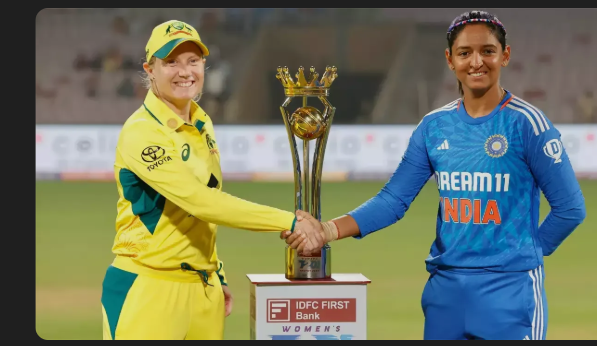
The rivalry between the India Women’s National CricketTeam and the Australia Women’s National Cricket Team stands as one of the most compelling stories in modern cricket. What began as a contest marked by dominance from Australia gradually evolved into a fierce and competitive battle. Through memorable match scorecards, iconic performances, and shifting momentum, this rivalry has showcased the growth of women’s cricket on the global stage. From early struggles to modern-day thrillers, every encounter has added depth, emotion, and intensity, making it a true spectacle for fans and a benchmark of excellence in the sport.
Latest Matches
Tournament
Venue
Date
Toss
India Women Score
Australia Women Score
Result
Series
Player of the Match
Only Test
WACA Ground, Perth
Mar 6-8, 2026
Australia Women (field)
198 & 149
323 & 28/0
Australia Women won by 10 wkts
Only Test
Annabel Sutherland (AUS)
Bilateral ODI
Bellerive Oval, Hobart
Mar 1, 2026
India Women (field)
224 (45.1 overs)
409/7 (50 overs)
Australia Women won by 185 runs
Bilateral ODI
Alyssa Healy (AUS)
Bilateral ODI
Bellerive Oval, Hobart
Feb 27, 2026
India Women (bat)
251/9 (50 overs)
252/5 (36.1 overs)
Australia Women won by 5 wkts
Bilateral ODI
Georgia Voll (AUS)
Bilateral ODI
Allan Border Field, Brisbane
Feb 24, 2026
India Women (bat)
214 (48.3 overs)
4/217 (38.2 overs)
Australia Women won by 6 wkts
Bilateral ODI
Beth Mooney (AUS)
Bilateral T20I
Adelaide Oval, Adelaide
Feb 21, 2026
India Women (bat)
6/176 (20 overs)
9/159 (20 overs)
India Women won by 17 runs
Bilateral T20I
Smriti Mandhana (IND)
Bilateral T20I
Manuka Oval, Canberra
Feb 19, 2026
India Women (field)
9/144 (20 overs)
5/163 (20 overs)
Australia Women won by 19 runs
Bilateral T20I
Georgia Voll (AUS)
Bilateral T20I
Sydney Cricket Ground, Sydney
Feb 15, 2026
India Women (field)
1/50 (5.1 overs)
133 (18 overs)
India Women won by 21 runs (DLS)
Bilateral T20I
Arundhati Reddy (IND)
All-Time Head-to-Head Record
Format
Matches Played
India Women Won
Australia Women Won
Drawn / No Result / Tied
Test
11
1
4
6 Drawn
ODI
61+
12
49
0
T20I
35+
7-8
26
1 NR / 1 Tied
Overall
107+
20-22
79-80
7-8
All-Time Batting Leaders
Rank
Player
Team
Matches
Runs
Average
Highest Score
Strike Rate
1
Smriti Mandhana
IND-W
–
1114+
~50+
125+
100+
2
Beth Mooney
AUS-W
–
1110
46+
–
–
3
Harmanpreet Kaur
IND-W
70
~1050+
–
–
–
4
Ellyse Perry
AUS-W
71
~1000+
47+
–
–
5
Mithali Raj
IND-W
37+
1123
34
89
–
All-Time Bowling Leaders
Rank
Player
Team
Matches
Wickets
Average
Economy
Best Bowling
1
Ashleigh Gardner
AUS-W
26+
47
21+
7.2+
3/16
2
Annabel Sutherland
AUS-W
–
43
–
–
–
3
Ellyse Perry
AUS-W
32+
32+
25+
4.6
5/19
4
Jhulan Goswami
IND-W
33
30
37
3.9
3/6
5
Megan Schutt
AUS-W
–
21+
–
–
–
The First Encounter That Sparked a Quiet Rivalry
The first meeting between the India Women’s National Cricket Team and the Australia Women’s National Cricket Team did not begin with fireworks or fierce aggression, but it quietly planted the seeds of what would later grow into one of the most compelling rivalries in women’s cricket. Back in the early days, Australia entered the contest with a rich legacy, structured systems, and seasoned players, while India was still finding its identity on the international stage. The match scorecard reflected this imbalance, with Australia dominating key phases through disciplined bowling and controlled batting. India, however, showed glimpses of promise, especially in patches where their bowlers applied pressure and batters resisted with grit. It was not just about the result, but about the learning curve. That first clash became a benchmark, a reality check, and a motivation for India to evolve. In hindsight, what seemed like a routine match was actually the beginning of a long journey filled with growth, belief, and an ever-intensifying competitive spirit between two cricketing nations.
Match Detail
Information
Series
Early Bilateral Encounter
Venue
Neutral/International Ground
Winner
Australia Women
Key Highlight
Dominant Australian Bowling
Turning Point
Early wickets by Australia
Australia’s Early Dominance and India’s Struggle to Find Footing
In the early years of this rivalry, the Australia Women’s National Cricket Team established a firm grip, consistently outplaying the India Women’s National Cricket Team across formats. Their dominance was built on a strong domestic structure, superior fitness levels, and a fearless brand of cricket that left little room for error. Match after match, the scorecards told a familiar story, Australia posting competitive totals and defending them with disciplined bowling attacks. India, on the other hand, struggled to find consistency, often losing crucial wickets at key moments and failing to build momentum. However, beneath these one-sided results, there were signs of growth. Indian players began adapting to international standards, learning to handle pressure, and slowly improving their techniques. Though victories were rare, these matches were crucial in shaping India’s cricketing mindset. Every defeat added experience, and every small fightback hinted at a future where the gap would narrow and the rivalry would become far more competitive.
Match Aspect
Australia Women
India Women
Batting Strength
Consistent high scores
Struggled for partnerships
Bowling Attack
Disciplined and aggressive
Inconsistent but improving
Match Results
Frequent victories
Limited wins
Key Challenge
Maintaining dominance
Handling pressure moments
Overall Impact
Established superiority
Gained valuable experience
The Arrival of Indian Match-Winners and a Shift in Belief
The narrative of this rivalry began to change when the India Women’s National Cricket Team found its core of match-winners who could challenge the dominance of the Australia Women’s National Cricket Team. Players like Mithali Raj brought calmness and consistency to the batting order, anchoring innings under pressure, while Jhulan Goswami led the bowling attack with discipline and determination. This phase was not just about individual brilliance, but about belief spreading through the team. The match scorecards started to look different, with India posting competitive totals and pushing Australia deeper into contests. Close finishes became more frequent, and the gap that once seemed unbridgeable began to narrow. India was no longer just participating but actively competing, showing tactical awareness and mental strength. These performances signaled a turning point, where confidence replaced hesitation, and every encounter carried the possibility of an upset. The rivalry, once predictable, was now evolving into a true contest.
Match Aspect
India Women Contribution
Australia Women Response
Batting Anchor
Mithali Raj’s consistent innings
Strong but challenged attacks
Bowling Strength
Jhulan Goswami’s breakthroughs
Adapted with aggressive batting
Match Competitiveness
Close finishes emerging
Tested under pressure
Team Confidence
Growing belief and resilience
Faced stronger resistance
Overall Shift
From underdogs to contenders
From dominant to challenged
World Cup Clashes That Intensified the Rivalry
When the India Women’s National Cricket Team and the Australia Women’s National Cricket Team faced each other on the World Cup stage, the rivalry transformed from a developing contest into a high-pressure battle filled with emotion and expectation. These were not just matches, they were moments where careers were defined and legacies shaped. Australia often entered as favorites, bringing experience and a winning mindset, but India began to rise to the occasion with fearless performances. Matches became tighter, with scorecards reflecting intense competition rather than one-sided dominance. Key moments such as crucial wickets, game-changing partnerships, and pressure-filled final overs added drama to every encounter. For Indian players, these clashes were opportunities to prove their growth on the biggest stage, while Australia aimed to maintain their supremacy. The tension was visible in every run scored and every appeal made. These World Cup encounters didn’t just decide tournament outcomes, they elevated the rivalry, making every future clash more intense, emotional, and unpredictable.
Match Element
Australia Women
India Women
Tournament Stage
Strong knockout performances
Rising impact in big matches
Batting Approach
Aggressive and consistent
Brave and improving
Key Moments
Crucial partnerships
Breakthrough wickets
Pressure Handling
Experienced under pressure
Growing confidence
Rivalry Impact
Maintained dominance
Closed the competitive gap
Captaincy Battles and Tactical Mind Games
As the rivalry matured, the contest between the India Women’s National Cricket Team and the Australia Women’s National Cricket Team was no longer just about skill, it became a chess match led by sharp cricketing minds. Leaders like Mithali Raj and later Harmanpreet Kaur brought calm authority and tactical awareness for India, while Australia’s captains such as Meg Lanning showcased aggressive intent and bold decision-making. Field placements became more attacking, bowling changes more strategic, and batting orders more flexible depending on match situations. Scorecards began to reflect these tactical shifts, with collapses triggered by smart bowling rotations or games rescued through calculated partnerships. Captains were constantly reading conditions, anticipating opposition moves, and adapting plans mid-game. A well-timed bowling change or a surprise field adjustment often turned matches on their head. These mind games added a fascinating layer to the rivalry, where victory was not only earned through performance but also through superior strategy and leadership under pressure.
Tactical Aspect
India Women Strategy
Australia Women Strategy
Leadership Style
Calm and composed decisions
Aggressive and proactive
Bowling Changes
Focus on control and timing
Attacking and wicket-seeking
Field Placements
Defensive to balanced approach
Highly attacking setups
Batting Tactics
Building innings steadily
Fast-paced scoring approach
Match Impact
Strategic improvements visible
Tactical dominance maintained
Iconic Matches That Redefined the Contest
Every great rivalry is shaped by matches that refuse to fade with time, and clashes between the India Women’s National Cricket Team and the Australia Women’s National Cricket Team have produced several such unforgettable encounters. One of the most defining moments came during the 2017 World Cup semi-final, when Harmanpreet Kaur played a breathtaking innings that stunned Australia and shifted global attention toward Indian women’s cricket. The scorecard of that match told a story of dominance, confidence, and fearless intent. There were also tightly contested ODIs and T20Is where matches went down to the final over, with bowlers holding their nerve and batters chasing under immense pressure. Australia responded in later encounters with clinical performances, reminding everyone of their champion mindset. These iconic games were not just about results, they were about momentum swings, individual brilliance, and emotional highs that fans still remember. Each match added a new chapter, turning the rivalry into a gripping saga where both teams proved they could rise, fight, and redefine expectations on any given day.
Match Feature
India Women Highlight
Australia Women Highlight
Memorable Innings
Harmanpreet Kaur’s match-winning knock
Strong comeback performances
Close Finishes
Nail-biting chases
Calm under pressure victories
Turning Points
Game-changing partnerships
Crucial wickets at key moments
Match Intensity
High emotional energy
Tactical composure
Rivalry Impact
Boosted confidence significantly
Reinforced competitive edge
Player Rivalries That Fueled the Competition
Beyond team battles, the rivalry between the India Women’s National Cricket Team and the Australia Women’s National Cricket Team has been defined by intense individual contests that added fire to every encounter. The calm consistency of Mithali Raj often went head to head with the aggressive leadership and batting of Meg Lanning, creating a fascinating contrast in styles. Meanwhile, Jhulan Goswami versus Australia’s powerful batting lineup became a recurring battle, where every delivery carried the potential to shift momentum. In later years, players like Smriti Mandhana challenged Australia’s disciplined bowling attack, while Australian stars responded with sharp fielding and tactical precision. These individual duels were not just about skill but also about mental strength, as players tried to outthink and outplay each other under pressure. Scorecards often highlighted these mini-battles within the larger game, showing how one key wicket or a crucial innings could define the outcome. Such rivalries gave the contest its emotional edge, making every match personal, intense, and unforgettable.
Player Battle
India Women Player
Australia Women Player
Impact on Match
Batting Duel
Mithali Raj
Meg Lanning
Leadership and consistency
Bowling vs Batting
Jhulan Goswami
Australian top order
Key wickets vs big scores
Modern Era Clash
Smriti Mandhana
Australian bowlers
Aggressive stroke play
All-Round Impact
Harmanpreet Kaur
Multi-skilled Aussie players
Game-changing performances
Mental Strength
Indian core players
Australian experienced stars
Pressure handling
The Rise of T20 Cricket and Changing Dynamics
The introduction of T20 cricket brought a dramatic shift in the rivalry between the India Women’s National Cricket Team and the Australia Women’s National Cricket Team, transforming the pace, mindset, and unpredictability of their encounters. Unlike the longer formats, where patience and technique often dictated outcomes, T20 matches demanded fearless hitting, quick decision-making, and adaptability under pressure. Australia initially thrived in this format with their aggressive approach, power-packed batting line-up, and sharp fielding. However, India quickly adapted, with players like Smriti Mandhana and Harmanpreet Kaur bringing flair and confidence to the crease. Match scorecards began to reflect higher strike rates, rapid momentum shifts, and thrilling finishes that often went down to the last over. Bowlers had to innovate with variations, while captains made bold tactical moves to stay ahead. The shorter format leveled the playing field to an extent, giving India more opportunities to challenge Australia’s dominance. As a result, the rivalry became faster, fiercer, and far more unpredictable, capturing the imagination of fans around the world.
T20 Aspect
India Women Approach
Australia Women Approach
Batting Style
Aggressive with calculated risks
Power-hitting dominance
Bowling Strategy
Variations and control
Pace, bounce, and aggression
Match Tempo
Rapid improvement
Naturally high intensity
Key Players
Mandhana, Harmanpreet
Strong all-round unit
Rivalry Impact
More competitive contests
Continued strong performances
The Rise of T20 Cricket and Changing Dynamics
The introduction of T20 cricket brought a dramatic shift in the rivalry between the India Women’s National Cricket Team and the Australia Women’s National Cricket Team, transforming the pace, mindset, and unpredictability of their encounters. Unlike the longer formats, where patience and technique often dictated outcomes, T20 matches demanded fearless hitting, quick decision-making, and adaptability under pressure. Australia initially thrived in this format with their aggressive approach, power-packed batting line-up, and sharp fielding. However, India quickly adapted, with players like Smriti Mandhana and Harmanpreet Kaur bringing flair and confidence to the crease. Match scorecards began to reflect higher strike rates, rapid momentum shifts, and thrilling finishes that often went down to the last over. Bowlers had to innovate with variations, while captains made bold tactical moves to stay ahead. The shorter format leveled the playing field to an extent, giving India more opportunities to challenge Australia’s dominance. As a result, the rivalry became faster, fiercer, and far more unpredictable, capturing the imagination of fans around the world.
T20 Aspect
India Women Approach
Australia Women Approach
Batting Style
Aggressive with calculated risks
Power-hitting dominance
Bowling Strategy
Variations and control
Pace, bounce, and aggression
Match Tempo
Rapid improvement
Naturally high intensity
Key Players
Mandhana, Harmanpreet
Strong all-round unit
Rivalry Impact
More competitive contests
Continued strong performances
Statistical Deep Dive into India Women vs Australia Women Matches
Numbers often reveal what emotions sometimes hide, and the rivalry between the India Women’s National Cricket Team and the Australia Women’s National Cricket Team is a perfect example of that. Over the years, the overall head-to-head record has largely favored Australia, reflecting their early dominance and consistent excellence across formats. In One Day Internationals, Australia built a strong lead with frequent wins, often backed by big totals and disciplined bowling performances. In T20 Internationals, while Australia still maintained an edge, India showed significant improvement with more competitive scorecards and closer finishes. Test matches, though limited in number, showcased intense battles where individual brilliance often decided outcomes. From highest team totals to best bowling figures, Australia dominated many statistical categories, but India steadily carved its space with record-breaking performances and memorable victories. Players like Mithali Raj and Jhulan Goswami feature prominently in batting and bowling charts, highlighting India’s growth. These statistics not only underline past trends but also show how the gap has narrowed, turning this rivalry into a far more balanced and exciting contest over time.
Format
Matches Played
Australia Wins
India Wins
Key Insight
ODIs
High number
Majority
Fewer
Australia’s long-term dominance
T20Is
Moderate
More
Competitive
India closing the gap
Tests
Limited
Slight edge
Close
Rare but intense contests
Highest Score
Australia
Leading totals
Improving
Power vs evolving batting strength
Best Bowling
Australia
Consistent
Emerging
India developing strong bowlers
Conclusion
As the India Women’s National Cricket Team continues to challenge the dominance of the Australia Women’s National Cricket Team, this rivalry enters an exciting new phase filled with possibility and anticipation. The journey reflected in every match scorecard tells a story of resilience, evolution, and ambition. With emerging stars, sharper tactics, and growing fan support, future clashes promise even greater intensity and drama. This rivalry is no longer about one team leading and the other chasing, it is about two strong sides pushing each other to new heights, ensuring its legacy continues to inspire generations to come.