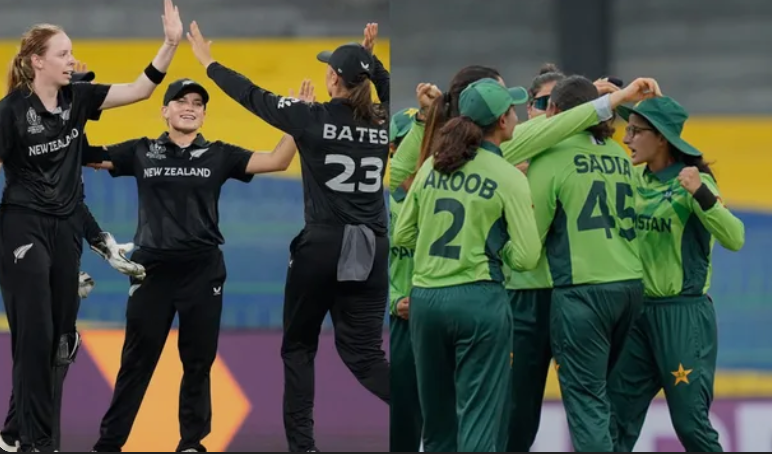
New Zealand Women’s National Cricket Team Vs Pakistan Women’s National Cricket Team Match Scorecard
May 26, 2026
Table of Contents
The rivalry between these two international sides reflects a journey of growth, contrast, and gradual competitiveness in women’s cricket. Early encounters highlighted a clear difference in experience, structure, and execution, with one team displaying strong control through disciplined batting and sharp bowling. Over time, however, the matches became more balanced as the other side developed confidence, tactical awareness, and improved skill execution. Each meeting brought new challenges, pressure moments, and individual performances that shaped the direction of contests. This evolving cricket story showcases how consistency, adaptation, and resilience can slowly transform a one sided matchup into a more competitive and engaging rivalry.
Latest Matches Table
Date
Format
Venue
Winner
Margin
Scorecard
18 Oct 2025
ODI
Colombo
No Result
Rain
PAKW 92/5
14 Oct 2024
T20I
Dubai
New Zealand
54 runs
NZW 110/6, PAKW 56/10
17 Dec 2023
ODI
Christchurch
Tied
Match Tied
NZW 251/8, PAKW 251/9
14 Dec 2023
ODI
Christchurch
New Zealand
1 wicket
PAKW 220, NZW 221/9
11 Dec 2023
ODI
Queenstown
New Zealand
131 runs
NZW 365/4, PAKW 234
08 Dec 2023
T20I
Queenstown
New Zealand
6 runs
NZW 101/2, PAKW 137/6
Team Statistics Summary Table
Format
Total Matches
New Zealand Wins
Pakistan Wins
Tied
No Result
ODI
17
15
1
1
0
T20I
12
9
3
0
0
World Cup ODI
4
4
0
0
0
World Cup T20I
5
4
1
0
0
Home Series
9
7
1
1
0
Away Series
8
8
0
0
0
Individual Batting Records Table
Player Name
Team
Matches
Total Runs
Highest Score
Batting Average
Suzie Bates
New Zealand
22
742
102
41.22
Sophie Devine
New Zealand
19
512
105
34.13
Muneeba Ali
Pakistan
11
284
67
25.81
Amelia Kerr
New Zealand
14
395
83
32.91
Sidra Ameen
Pakistan
10
210
43
21.00
Aliya Riaz
Pakistan
15
245
49
18.84
Individual Bowling Records Table
Player Name
Team
Matches
Wickets Taken
Best Bowling
Economy Rate
Lea Tahuhu
New Zealand
18
26
4/20
4.12
Amelia Kerr
New Zealand
14
21
3/14
4.35
Nashra Sandhu
Pakistan
12
15
3/22
4.68
Eden Carson
New Zealand
8
11
2/7
5.11
Fatima Sana
Pakistan
9
10
3/43
5.25
Sadia Iqbal
Pakistan
7
8
2/17
4.90
Early Encounters Between Two Contrasting Worlds
The opening phase of this international rivalry reflected a clear difference in structure, preparation, and experience between the two sides. One team entered with a well established system built on domestic depth, while the other was still finding its identity at the global stage. Early encounters were heavily influenced by disciplined batting orders and sharp fielding units that rarely allowed opposition batters to settle. In contrast, the developing side often struggled to build long partnerships, especially under pressure conditions created by early breakthroughs. These matches were not only about results but also about exposure, learning, and understanding international intensity. Over time, even in defeat, small signs of progress began to appear in shot selection and bowling discipline. Field placements and bowling variations also started becoming more competitive, showing that the gap, while still visible, was slowly being addressed through experience and repeated exposure at the highest level.
Match Type
Dominant Side
Key Factor
Margin Type
Notable Aspect
ODI
Experienced
Top order stability
Large win
Early wickets
T20
Experienced
Bowling control
Comfortable
Dot ball pressure
ODI
Experienced
Fielding impact
One sided
Run chase ease
T20
Experienced
Powerplay dominance
Strong win
Collapse early
ODI
Experienced
Partnership building
Controlled
Middle overs grip
First Statement Matches and Emerging Confidence
As the rivalry progressed, early one sided contests gradually gave way to more competitive phases where intent and confidence became visible from both sides. The stronger unit continued to rely on structured batting and consistent bowling changes, but the emerging team started showing resilience in pressure situations. Small partnerships began to form even when early wickets fell, and bowlers started experimenting with fuller lengths and tighter lines. These matches often revolved around key moments rather than complete dominance, where a single partnership or spell could shift momentum. Fielding intensity also improved noticeably, reducing easy runs and increasing pressure on chasing teams. Even when results did not change dramatically, the competitive spirit created a foundation for future growth. These games played a crucial role in shaping belief, especially for players who later became core contributors in high pressure international fixtures.
Phase
Batting Impact
Bowling Impact
Momentum Shift
Result Trend
Early
Low stability
High control
Minimal
One sided
Mid
Improving starts
Variation use
Occasional
Mixed
Late
Better partnerships
Tight spells
Frequent
Competitive
Clutch
Individual effort
Breakthroughs
Match turning
Narrowing gap
Modern
Balanced approach
Strategic plans
Dynamic
Close contests
Tactical Evolution in Women’s Cricket Rivalry
With time, both sides refined their tactical approaches, moving away from predictable game plans toward more adaptive strategies. One team relied heavily on structured batting depth and disciplined bowling rotations, ensuring control across all phases of the game. The other side gradually embraced flexibility, experimenting with batting order changes and introducing more aggressive intent in powerplays. Spin bowling became a major tactical tool, especially in middle overs where containment and wicket taking opportunities were balanced carefully. Captains began reading match situations more effectively, adjusting field placements based on batter tendencies rather than fixed patterns. These adjustments made matches more unpredictable and engaging, with momentum swinging more frequently between innings. Analytical preparation also improved, with teams focusing on opposition weaknesses and targeting specific matchups. This evolution marked a clear shift from early imbalance to a more strategic and competitive cricketing relationship.
Tactical Area
Early Approach
Evolved Approach
Impact Level
Key Change
Batting Order
Fixed
Flexible
High
Role clarity
Bowling Plan
Basic rotation
Match based
High
Strategy use
Field Setup
Standard
Adaptive
Medium
Situational
Powerplay Use
Conservative
Aggressive
High
Scoring rate
Spin Usage
Support role
Attack role
High
Wicket focus
Structured Dominance Phase
There was a clear period in the rivalry where one side established consistent control through disciplined execution of basics. Batting units were anchored by experienced players who minimized risk and built innings patiently. This approach often frustrated opponents who struggled to create breakthroughs in crucial phases. Bowling attacks complemented this dominance with accuracy, maintaining pressure through consistent line and length rather than excessive variation. Fielding standards also played a major role, with sharp catching and ground coverage reducing scoring opportunities. This phase was defined not by explosive performances alone but by control over long stretches of the game. Even in T20 contests, the ability to restrict runs in middle overs proved decisive. The opposing side, while improving, often found itself reacting rather than dictating terms. However, this phase also served as a benchmark for improvement, pushing them to refine their skills further for future encounters.
Strength Area
Execution Level
Opposition Response
Match Control
Outcome Influence
Batting depth
High
Pressure buildup
Strong
Dominant wins
Bowling line
Very high
Defensive play
Consistent
Early control
Fielding
High
Run restriction
Stable
Fewer errors
Partnerships
Strong
Breakthrough needed
High
Match setting
Game tempo
Controlled
Reactive strategy
High
Full dominance
Rebuilding Phase and Fightback Spirit
A noticeable shift occurred when the developing side began focusing on rebuilding its core structure through young talent and improved domestic pathways. This phase was not about immediate results but about long term stability and competitiveness. Batters started showing better shot selection under pressure, while bowlers gained confidence in executing plans against experienced opposition. Fielding intensity also improved significantly, reducing unnecessary extra runs and building pressure through consistency. Matches became closer, even when results still favored the stronger side, indicating a narrowing performance gap. Coaches emphasized fitness, game awareness, and situational adaptability, which gradually reflected in on field performances. This phase also saw the emergence of players who could anchor innings or control middle overs with disciplined bowling spells. The transformation was slow but steady, creating a foundation for future competitive encounters at the international level.
Development Area
Initial Status
Improved Status
Impact
Key Progress
Batting
Inconsistent
Structured
Medium
Stability
Bowling
Predictable
Tactical
High
Control
Fitness
Average
Enhanced
Medium
Endurance
Fielding
Basic
Sharp
High
Efficiency
Team mindset
Reactive
Proactive
High
Confidence
Key Clashes That Defined the Rivalry
Certain matches stood out as defining moments in this evolving rivalry, where performances on both sides reached higher intensity levels. These games often featured crucial partnerships, sudden collapses, and game changing spells that shifted momentum multiple times within a single innings. One side’s ability to stabilize after early setbacks frequently contrasted with the other’s struggle to finish strong chases or defend moderate totals. These matches also highlighted individual brilliance, where batters played anchor roles while bowlers delivered under pressure in death overs. The emotional intensity of these contests added further depth, as players responded not only to opposition tactics but also to situational pressure. Fans witnessed closer finishes, unexpected turns, and growing competitiveness that made each encounter more meaningful than the last. These clashes became reference points for future strategies and team selection decisions.
Match Phase
Key Event
Impact Player
Turning Point
Result Effect
Powerplay
Early wickets
Fast bowler
Collapse start
Pressure high
Middle overs
Partnership
Batter anchor
Recovery phase
Balanced game
Death overs
Bowling spell
Death bowler
Run control
Match swing
Chase phase
Strike rotation
Finisher
Momentum shift
Close finish
Final overs
Fielding effort
Captain role
Pressure handling
Outcome decided
Conclusion
The overall journey of this rivalry demonstrates how international cricket evolves through experience and persistence. What began as a mismatch gradually turned into more competitive and meaningful contests, driven by improvements in preparation, player development, and tactical execution. One side maintained a strong foundation built on structure and discipline, while the other side showed steady progress through resilience and learning from repeated exposure. Across different matches, moments of brilliance, pressure handling, and strategic decisions defined outcomes. This rivalry now stands as a symbol of growth in women’s cricket, where effort and adaptation continue to narrow the gap and shape future encounters.