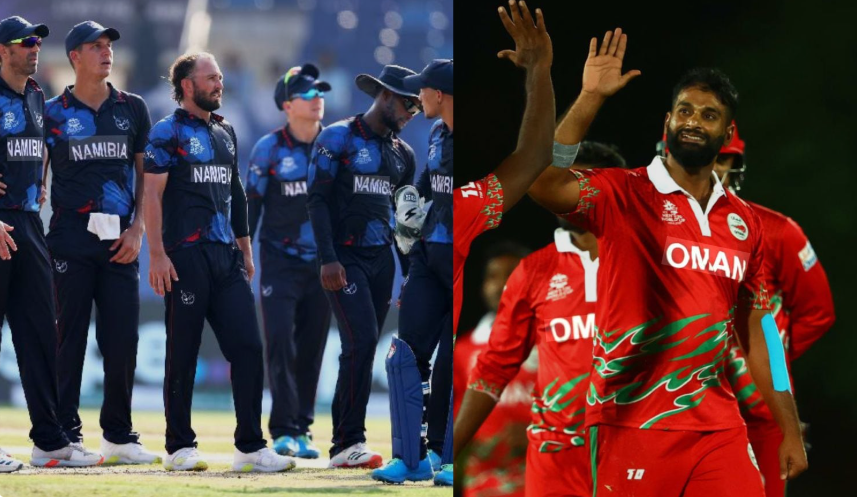
Oman National Cricket Team Vs Namibia National Cricket Team Match Scorecard
May 26, 2026
Table of Contents
The rivalry between Oman and Namibia has become one of the most competitive stories in associate cricket. Every meeting between these teams carries pressure, emotion, and the desire to prove dominance on the international stage. Their contests are often filled with disciplined bowling, smart captaincy, aggressive batting, and dramatic finishes that keep fans engaged until the final over. Over the years, both sides have developed stronger squads and greater confidence in ICC tournaments, turning ordinary fixtures into memorable cricket battles. From tactical masterclasses to record-breaking performances, these encounters continue to shape the future of associate cricket and inspire young players across emerging cricket nations worldwide.
Latest Matches Table
Date
Format
Venue
Team 1
Team 2
Winner
10 April 2026
ODI
Windhoek
Oman
Namibia
Namibia
04 April 2026
ODI
Windhoek
Namibia
Oman
Oman
16 February 2025
ODI
Al Amerat
Oman
Namibia
Oman
10 February 2025
ODI
Al Amerat
Oman
Namibia
Namibia
24 July 2024
ODI
Dundee
Oman
Namibia
Oman
18 July 2024
ODI
Dundee
Oman
Namibia
Namibia
Team Statistics Summary Table
Team Name
Matches
Won
Lost
Tied
No Result
Namibia
18
10
7
1
0
Oman
18
7
10
1
0
Head to Head ODI
12
6
6
0
0
Head to Head T20I
6
4
1
1
0
Namibia Home
6
3
3
0
0
Oman Home
8
4
4
0
0
Individual Batting Records Table
Player Name
Team
Matches
Runs
High Score
Strike Rate
Hammad Mirza
Oman
2
193
112
83.18
Jan Frylinck
Namibia
2
97
84
79.50
Zane Green
Namibia
2
82
42
143.85
Wasim Ali
Oman
2
87
62
110.12
Willem Myburgh
Namibia
2
75
43
51.02
Gerhard Erasmus
Namibia
2
80
54
87.91
Individual Bowling Records Table
Player Name
Team
Overs
Maidens
Wickets
Economy
Imran Muhammed
Oman
10.0
2
5
3.90
Jack Brassell
Namibia
20.0
1
5
3.25
Hassnain Shah
Oman
20.0
0
5
3.65
Ruben Trumpelmann
Namibia
20.0
2
3
4.10
Shakeel Ahmad
Oman
20.0
0
3
4.45
Bernard Scholtz
Namibia
20.0
1
2
4.60
When Two Associate Giants Started Crossing Paths
The rivalry between these two associate nations slowly turned into one of the most competitive battles outside mainstream cricket. Every encounter carried pressure because both sides were fighting for ICC rankings, qualification spots, and international respect. Oman relied heavily on disciplined bowling and calm batting partnerships, while Namibia preferred aggressive pace attacks and fearless middle-order hitting. Fans started noticing how closely matched the teams were whenever they met in ICC tournaments. Their contests often remained balanced deep into the second innings, creating tense finishes and emotional celebrations. Coaches from both camps treated these games like knockout contests because a single win could change qualification scenarios. Over time, the rivalry became known for tactical battles instead of flashy cricket alone. Experienced captains guided young squads through pressure moments, and several players built reputations through consistent performances in these matches. The atmosphere around every meeting slowly became more intense as supporters from both nations expected strong performances. What started as a routine associate fixture eventually became one of the most respected rivalries in developing international cricket, with both teams constantly pushing each other toward higher standards and greater global recognition.
ICC League Pressure
Competitive ODI Matches
Tactical Bowling Plans
Strong Fan Interest
Qualification Battle
Close Score Margins
Spin vs Pace Strategy
Rising Rivalry Energy
Experienced Captains
Balanced Team Strength
Defensive Field Placements
Emotional Celebrations
Consistent Performers
High Pressure Chases
Middle Over Control
Global Associate Attention
First Encounters That Sparked Curiosity
The earliest clashes between these sides gave cricket followers a glimpse of a rivalry that would grow stronger with every season. Those first matches were not filled with massive crowds or worldwide headlines, but they carried importance for players trying to establish themselves on the international stage. Namibia often entered contests with an aggressive fast-bowling mindset, attempting to dominate powerplays and create scoreboard pressure quickly. Oman responded with patience, calculated partnerships, and disciplined bowling during crucial overs. Several matches were decided by small moments such as dropped catches, run-out chances, or late boundaries under pressure. Supporters admired how neither team backed away from difficult situations. Batters learned to adjust against different conditions while bowlers developed smarter variations to survive tense endings. Many players who later became senior stars first showed their talent during these encounters. Coaches also began studying opposition patterns more carefully because the contests were becoming increasingly competitive. The rivalry slowly gained attention among associate cricket followers who appreciated intense cricket without the glamour of bigger nations. Those early meetings created the foundation for future ICC tournament battles and transformed ordinary fixtures into emotionally charged contests full of determination and pride.
Early Rivalry Matches
Key Turning Moments
Bowling Discipline
Tactical Growth
Associate Cricket Rise
Tight Finishes
Swing Bowling Impact
Improved Match Awareness
Young Emerging Players
Crucial Partnerships
Spin Control Overs
Smart Captaincy Decisions
Competitive Atmosphere
Pressure Situations
Death Over Accuracy
Balanced Team Performances
Growing ICC Attention
Memorable Performances
Batting Patience
Rising Fan Curiosity
The Battle for ICC Recognition and Global Respect
As ICC qualification pathways became more competitive, matches between these teams gained serious importance. Victories were no longer just about points on the table because they represented progress toward global tournaments and international credibility. Players understood the pressure every time they walked onto the field because one poor performance could damage qualification hopes. Namibia built success through aggressive intent and athletic fielding, while Oman trusted consistency and disciplined execution under pressure. Several games became tactical chess matches where captains adjusted bowling changes almost every over to control momentum. Batters were forced to adapt quickly because both teams prepared detailed plans for opposition strengths. Fans closely followed league standings, calculating net run rates and qualification scenarios after every encounter. Media coverage also increased as associate cricket supporters recognized the quality and competitiveness of these clashes. Some matches featured remarkable comebacks where losing positions suddenly turned into dramatic victories. Young cricketers watching these games began seeing associate cricket as a serious platform for international growth. The rivalry pushed both sides toward higher professional standards and created belief that smaller cricket nations could compete with intensity, skill, and tactical maturity against any opposition in ICC tournaments.
ICC Qualification Race
Tactical Matchups
Competitive Pressure
International Recognition
League Table Battles
Captaincy Adjustments
High Stakes Cricket
Growing Global Attention
Net Run Rate Importance
Bowling Variations
Emotional Team Effort
Associate Cricket Growth
Tournament Qualification
Strategic Partnerships
Late Match Drama
Stronger Team Identity
Consistent Match Intensity
Fielding Excellence
Pressure Handling Skills
Expanding Fan Support
Gerhard Erasmus and Zeeshan Maqsood Carrying National Expectations
Leadership played a massive role in shaping the intensity of this rivalry. Gerhard Erasmus brought aggressive tactical thinking and calm authority to Namibia, while Zeeshan Maqsood became the steady figure guiding Oman through difficult pressure situations. Both captains understood how important every contest was for national cricket development. Erasmus preferred proactive field placements and attacking bowling changes that could break partnerships quickly. Zeeshan focused on maintaining balance, controlling pressure, and building partnerships carefully during tense run chases. Their personal performances often influenced the direction of matches because teammates looked toward them during difficult moments. Fans admired the composure both leaders displayed under enormous pressure, especially in ICC qualification games where mistakes could become costly. Several contests featured direct captain-versus-captain battles where bowling changes, batting tempo, and field adjustments shaped the final result. Younger players gained confidence by watching how these leaders handled adversity and maintained discipline in emotional situations. The rivalry between the captains added another layer of excitement to every encounter because supporters expected tactical masterclasses whenever the two sides faced each other. Their influence extended beyond statistics, helping shape the professional identity of associate cricket on the global stage.
Leadership Influence
Captaincy Style
Tactical Strength
Team Motivation
Calm Under Pressure
Aggressive Decisions
Bowling Rotations
Strong Dressing Room Unity
Smart Field Placements
Balanced Batting Plans
Match Awareness
National Pride
Experienced Match Reading
Calculated Risk Taking
Strategic Adaptability
High Competitive Spirit
Senior Player Guidance
Partnership Building
Defensive Control
Emotional Stability
The Match Where Namibia’s Bowling Attack Changed Everything
One unforgettable contest showcased how dangerous Namibia’s bowling attack could become under pressure conditions. Their fast bowlers attacked with aggression from the opening overs, forcing mistakes through disciplined line and length bowling. Early wickets completely shifted momentum and placed Oman’s batting lineup under serious pressure. Instead of allowing partnerships to settle, Namibia maintained attacking fields and rotated bowlers smartly to prevent recovery. The middle overs became particularly important because tight bowling created scoreboard pressure that forced risky shots. Supporters watching the game could sense the growing tension as every dot ball increased pressure on the batting side. Namibia’s fielders supported the bowlers brilliantly with diving stops and sharp catching efforts that lifted team energy. Oman attempted to respond through patient batting and calculated rotation of strike, but the bowling intensity never dropped. That performance became a major talking point because it showed how associate teams could dominate through tactical discipline and relentless pressure. Several players earned widespread recognition after that victory, and the match itself became one of the defining moments in the rivalry’s history due to the ruthless efficiency displayed throughout the innings.
Fast Bowling Pressure
Early Wicket Impact
Fielding Excellence
Match Momentum
Aggressive Opening Spell
Batting Collapse Threat
Sharp Catching Effort
Tactical Dominance
Tight Middle Overs
Scoreboard Pressure
Athletic Ground Fielding
Controlled Run Flow
Smart Bowling Rotation
Limited Partnerships
Team Coordination
Competitive Intensity
Consistent Line and Length
Pressure Building Overs
Energy on the Field
Defining Rivalry Moment
Oman’s Counterattack Through Spin and Discipline
After facing difficult defeats, Oman responded by strengthening their spin attack and improving defensive control during pressure overs. Their bowlers focused on accuracy rather than raw aggression, forcing opponents to work hard for every run. Slow bowlers became central to the tactical plan because they controlled the middle overs and interrupted batting momentum effectively. Oman’s field placements also reflected patience and discipline, with captains carefully protecting boundary areas while encouraging risky shots against spin. Batters supported the bowling effort by building sensible partnerships instead of chasing unrealistic scoring rates. Fans appreciated the calm mentality shown by the team during tense moments when matches could easily swing toward the opposition. Several victories were built on disciplined bowling spells that slowly frustrated opposition batters into making mistakes. Coaches emphasized fitness, sharp fielding, and consistent execution to compete against physically strong opponents. The rivalry evolved tactically because both teams constantly adjusted strategies after every meeting. Oman’s ability to recover and improve after setbacks earned respect across associate cricket circles. Their disciplined approach proved that structured cricket and mental resilience could overcome aggressive opposition strategies during high-pressure ICC contests and closely fought international encounters.
Spin Bowling Control
Defensive Strategy
Batting Patience
Tactical Recovery
Middle Over Pressure
Smart Boundary Protection
Partnership Building
Improved Match Planning
Accurate Bowling Lines
Controlled Run Saving
Calm Chase Approach
Team Discipline
Field Placement Precision
Pressure Through Dot Balls
Strike Rotation Focus
Competitive Comeback
Mental Resilience
Consistent Bowling Effort
Responsible Batting
Strategic Improvement
Conclusion
The journey between these two teams reflects the rapid growth of associate cricket and the rising standard of international competition outside traditional powerhouses. Their matches have delivered unforgettable moments through intense bowling spells, responsible batting partnerships, and pressure-filled finishes. Captains, young stars, and experienced performers have all contributed to making this rivalry respected across the cricket world. Every contest added another chapter filled with tactical battles and emotional energy from players and supporters alike. As both nations continue progressing in ICC tournaments, their future meetings are expected to become even more competitive, ensuring this rivalry remains an important part of modern associate cricket history.